For parents, a teen learning to drive can be both scary and exciting. You might be thrilled that you won’t have to play chauffeur anymore, but a little worried about your child behind the wheel of the car. Fortunately, California has established a graduated driver’s license program that is designed to help ease teenagers into the world of driving.
California teen driving laws can be a bit confusing, but parents and teens alike need to know these laws and abide by them to avoid points on their license. Unfortunately, there are often news stories about teens involved in car accidents, causing car accidents, or making mistakes that could have resulted in significant loss. Understanding teen driving laws in California can help individuals feel safer behind the wheel. And, when a mistake happens, it’s always a good idea to speak to an attorney about the losses you’ve faced.
At the Appel Law Firm, we offer experienced legal representation for clients in the Walnut Creek area who have been injured in motor vehicle accidents and other types of accidents. We offer free initial consultations and never charge a fee unless we recover money for you. If you have been injured in a crash with a teen driver, reach out to our law offices today to talk to a Walnut Creek personal injury attorney.
Understanding California Teen Driving Laws
- Obtaining a Learner’s Permit
- Provisional Driver’s License
- Full Driver’s License
- Restrictions for Teen Drivers
- Passenger Restrictions
- Curfew
- Cell Phone Use
- DUI Laws
What Are Teen Driving Laws in California?
According to the Centers for Disease Control and Prevention (CDC), the risk of motor vehicle accidents is higher among teens between the ages of 16 and 19 than any other age group. Teens are often prone to making more impulsive decisions and may engage in more unsafe driving activities (like not wearing a seat belt or speeding). For this reason, there are special laws in place that specifically apply to teen drivers in California.
In 2006, California put into place a new set of laws regarding teen drivers. These laws took steps to significantly restrict the ability of these drivers to engage in various activities behind the wheel. These newer laws and existing laws help support safe driving. Here are some of the most important laws you need to know.
When Can Teens Drive?

Obtaining a Learner’s Permit
In California, teenagers can obtain a learner’s permit at the age of 15 ½. To obtain a permit, they must pass a written test and a vision test at the DMV. With a learner’s permit, the teenager must always have a licensed driver 25 years or older in the passenger seat.
Provisional Driver’s License
At the age of 16, a teenager can apply for a provisional driver’s license. To obtain this license, the teenager must have held a learner’s permit for at least six months, completed 50 hours of supervised driving, and passed a driving test. With a provisional license, the teenager can drive alone, but there are certain restrictions.
Full Driver’s License
At the age of 18, a teenager can apply for a full driver’s license. To obtain this license, the teenager must have held a provisional license for at least 12 months without any traffic violations or accidents. A teen must also show proof of insurance to demonstrate that they are fully insured as a driver.
Restrictions for Teen Drivers
Passenger Restrictions
For the first 12 months after obtaining a provisional license, a teenager is not allowed to have passengers under the age of 20 in the car unless they are accompanied by a licensed driver 25 years or older.
Curfew
Teen drivers with a provisional license are not allowed to drive between the hours of 11 pm and 5 am for the first 12 months after obtaining their license.
Cell Phone Use
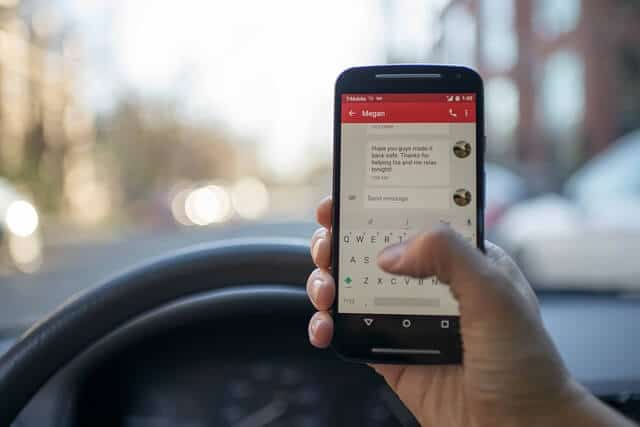
Teen drivers are not allowed to use a cell phone while driving, even with a hands-free device. This rule applies to all types of electronic devices, such as GPS, music, and more. Teenagers cannot use Bluetooth, voice commands, or electronic devices in any way when they are behind the wheel of a car. The only exception is making a call in the case of an emergency.
DUI Laws
California has a zero-tolerance policy when it comes to underage drinking and driving. Teenagers caught driving with any amount of alcohol in their system will face severe consequences, including license suspension and possible criminal charges.
Why Are There Restrictions on Teen Drivers?
There are many reasons why teen drivers need to have such provisions in place. The most important one is inexperience. According to the Insurance Institute for Highway Safety, it is three times more likely for a teen aged 16 – 19 to be involved in a fatal crash than for those over the age of 20. For this reason, the provisional license is nearly always a good thing for teen drivers.
Penalties for Violations
Teens who violate these types of restrictions will face an immediate 30-day restriction on their license if and when they receive two or more points during one year. A six-month suspension and one-year probation are required if the teen driver accumulates three or more points during any one year. Community service, fines, and other implications can also apply.
Teen Drivers Can Cause Accidents
Perhaps what is most important for teens, parents, and other drivers to know is that teen drivers are more likely to cause accidents, especially when they violate traffic laws. Teen drivers can cause accidents on the road due to inexperience and carelessness. Additionally, distractions—such as mobile phone use or other risky behaviors—can impair their reactions and lead to serious accidents. It’s essential to raise awareness and encourage responsible driving habits to help keep roads safer for everyone.
Ways to Keep Your Teens Safe on the Road
As anyone who has raised kids knows, your teens are going to make mistakes. The key is to do your best to equip them with the necessary tools to make the best possible choices. This is particularly true when it comes to driving.
When a teen is behind the wheel of a motor vehicle, they have the potential to do serious damage to themselves and others on the road. That is why teaching your teens how to drive safely is so critical. This goes beyond the rules of the road to modeling safe driving behaviors yourselves.
While you can’t predict everything that your teen might do while driving, safe driving starts with a strong foundation. Below, we list some things that you can do to increase the likelihood that your teen will drive safely.
1. Limit Your Teen’s Cell Phone Use While Driving
With today’s prevalent technology, it seems as though every teen has their face in a smartphone. However, cell phone use while driving can cause serious accidents. Let your teen know how dangerous it is to use a cell phone while driving, and let them know that texts and phone calls can wait. Monitor your teen’s phone and let them know there will be consequences if you discover they are using their phone behind the wheel. Another great tip: don’t drive distracted. If your teen witnesses you using a cell phone while driving, you will be setting a poor example of proper behavior while driving.
2. Always Give Your Teen a Safe Way Home
If your teen has been drinking, he or she may be afraid to call you to get a ride home. Your teen may be tempted to get behind the wheel or ride home with another driver who has also been drinking. Inform your teen that he or she can always call you to get a safe ride home, no matter what the circumstances are. If your teen does call for a ride home, avoid imposing consequences until the next morning.
3. Teach Your Teen Safe Driving Skills
Don’t rely on school driving programs to teach your teens how to operate a vehicle safely. Instead, take the opportunity to teach safe driving skills by going out several times with your teen and exposing them to different driving situations. Explain the do’s and don’ts of operating a vehicle, such as do pay attention to the road, do check rearview mirrors often, and don’t look away from the road while talking with other passengers in the vehicle or playing music on the radio.
Graduated Driver’s License Program
Like many other states, California has a Graduated Driver’s License Program that allows teens to take a graduated approach to obtaining the privilege to operate a motor vehicle on the state’s roadways. Under this program, teens will be 15 1/2 before they can obtain a driver’s permit, and must complete 50 hours of driving within 6 months before they can obtain a restricted license at the age of 16.
A restricted license will prohibit teens from driving between the hours of 11:00 P.M. and 5:00 A.M., when the risk of accidents is at its highest, and passengers under the age of 20 may not ride in the car, with the exception of immediate family members. These restrictions can be lifted, and a full license can be obtained at the age of 17. The GDL Program is designed to teach teen drivers the skills they need to be safe on the road through a series of tried-and-true steps.
FAQs
- What is the penalty for breaking California’s cell phone use law while driving?
- The penalty for breaking this law is a base fine of $20 for the first offense and $50 for subsequent offenses, plus additional fees.
- Can a teenager with a learner’s permit drive alone?
- No, a licensed driver 25 years or older must be in the passenger seat at all times.
- What is the penalty for breaking California’s underage drinking and driving laws?
- Teenagers caught driving with any amount of alcohol in their system will face severe consequences, including license suspension and possible criminal charges.
- Can a teenager with a provisional license drive alone?
Yes. A teen who has completed the requirements and passed the driver’s license test can drive without an adult. However, teens still have restrictions when they have a provisional license, including not driving with passengers under the age of 20 (without an adult aged 25 or older), not operating a cell phone, and not driving between 11 p.m. and 5 a.m.
5. Are there any exceptions to these teen driving rules?
Yes. In some situations, a teenager with a provisional license might be able to drive between the hours of 11 p.m. and 5 a.m. or to transport another minor. This may include things like going to or from work or to transport an immediate family member if no other transportation is available for them. You should always check the California Department of Motor Vehicles (DMV) website if you are unsure about a particular rule.
Hiring a Walnut Creek Car Accident Attorney
Learning to drive is a rite of passage for many California teens. As parents, we can do our best to teach them to drive safely and to model good driving behavior ourselves. Unfortunately, accidents can and do still happen.
If you or someone you know has become the victim of an accident involving a teen driver, our team can help you. We provide motor vehicle accident support for those who need it. Discuss your circumstances with our skilled team of attorneys to learn what your options may be in obtaining financial support for any losses you’ve experienced as a result of teen driver mistakes. A free consultation is available to you for such instances. Call our offices today to discuss your situation.
Related: Who Pays for My Vehicle Damage in California?
Consequences of Distracted Driving in California
Road Rage and Legal Consequences: Staying Safe on California Highways
Speak Your Mind